

FAMILY BUSINESS CONSULTING
Building businesses, preserving families, across generations.
Family businesses face every challenge a normal company does, plus the family dynamics that can either become your greatest source of strength or your biggest source of conflict. Parkland helps families navigate both, with the experience that comes from working with hundreds of family-owned companies.
A FAMILIAR STORY
A founder spends decades building something extraordinary. Then the questions begin.
The business becomes a source of pride, identity, and financial security for the family. The next generation gets involved. New ideas emerge. Roles evolve. And the conversations no one wants to have become impossible to avoid.
Without thoughtful planning, these moments create tension, uncertainty, and risk for both the family and the business. With the right structure and outside perspective, they become opportunities to strengthen both.
THE CHALLENGE
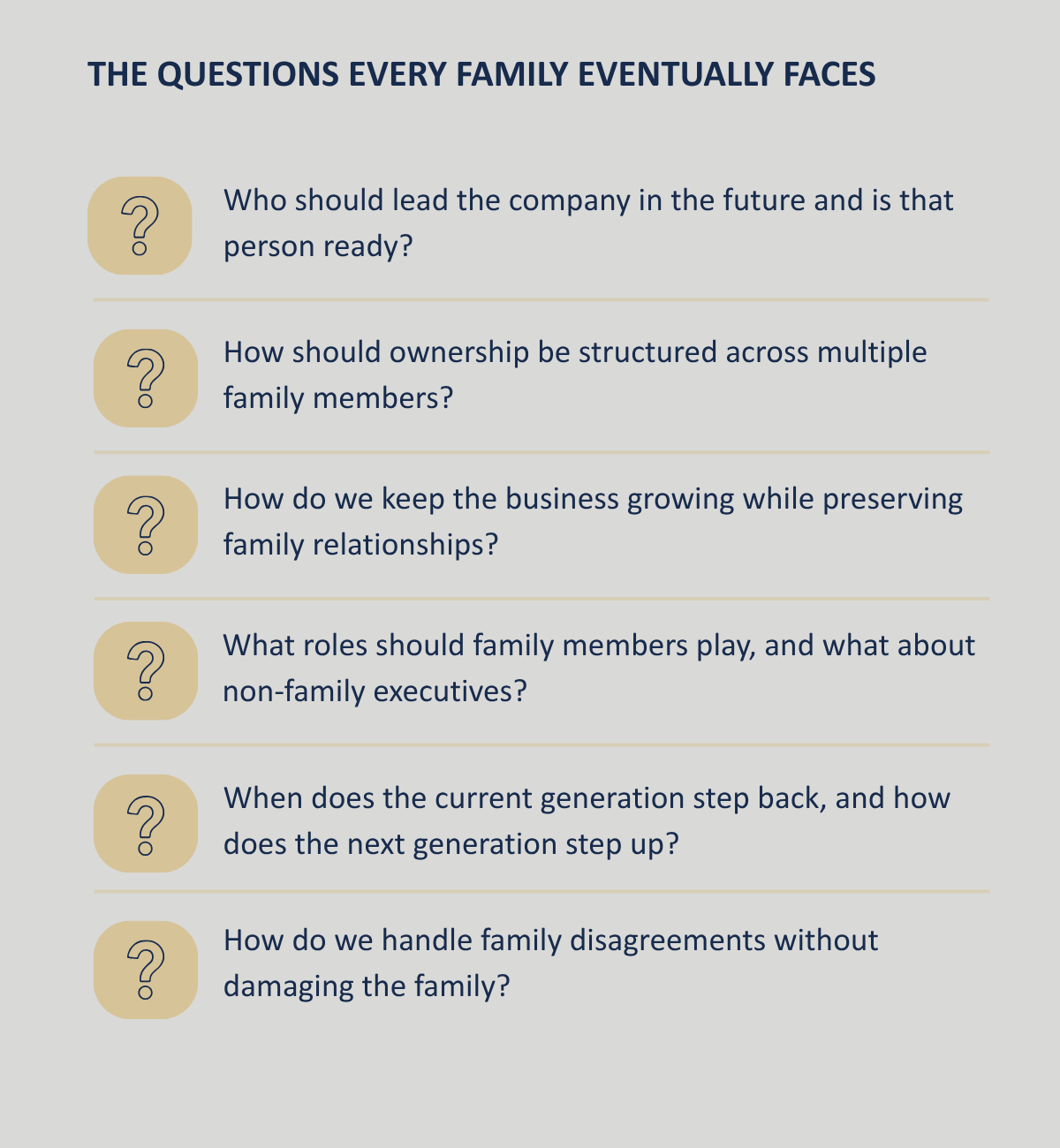
Family businesses face challenges that most companies never encounter.
These aren’t problems you can solve with a strategic plan alone. They require navigating both business discipline and family dynamics, often at the same time.
Building a Family Business That Thrives Across Generations
-
I've worked with over 500 companies,
and I've yet to find companies
that cannot improve
if they do the right things.If they identify the right strategy
and they implement the right execution,
almost every business can improve
and improve significantly.My name is Larry Goddard.
I'm the CEO of the Parkland Group,
a consulting firm based in Cleveland,
Ohio, that works with companies
to improve their performance,
profitability and value.A high percentage of the clients
that we work with, family businesses
and family businesses
are really a unique breed
because they have all the issues
that non-family businesses have,
which is figuring out strategy
and operational execution.But then you have to throw into the mix
family dynamics, which in many cases works
very well,
but also in lots of cases creates
huge drama and problems.And so when we work
with family businesses, we help them with
both their business strategy
but also their interpersonal dynamics.One of the biggest issues in family
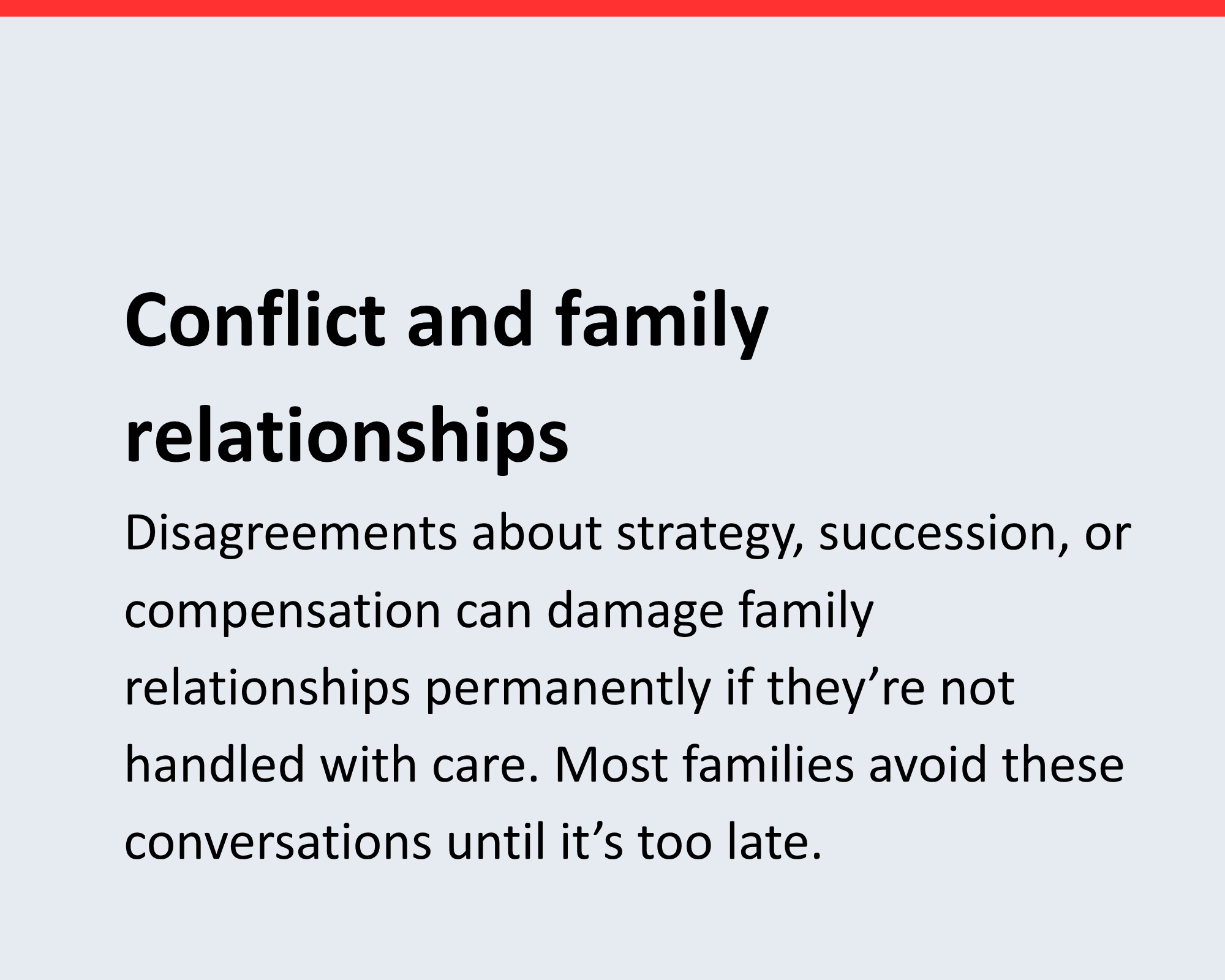
businesses is the concept of succession.
When does the older generation back out
and when do they hand it over
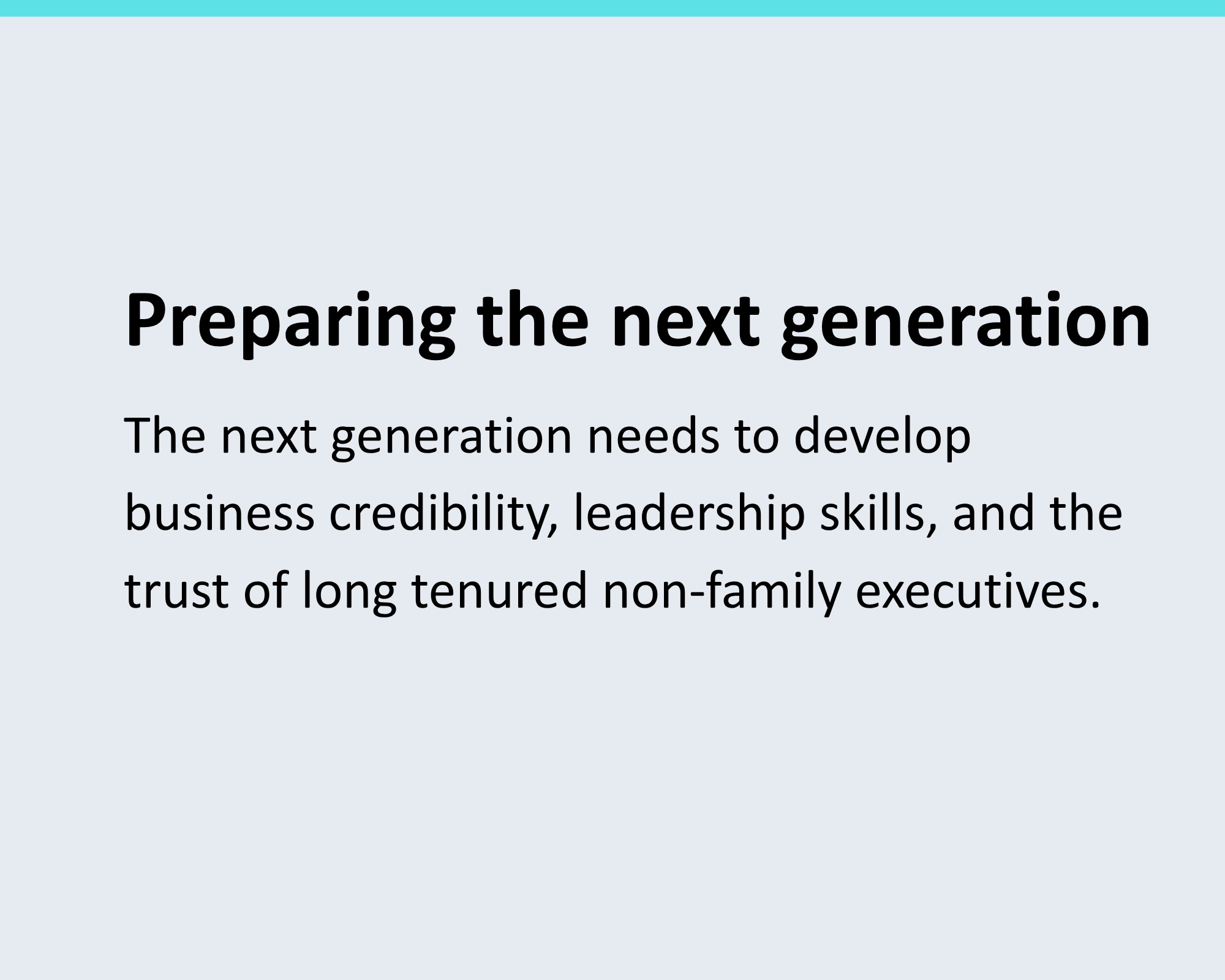
to the younger generation?Generally,
most people in the older generation
feel that the younger generation
is not ready for it,
and the younger generation can't
wait to take over.Another issue is who has voting control?
A lot of times in family businesses,
you start out with a
a founder generation one.
That founder is focused on
building a business
and providing for his immediate family.40 years later,
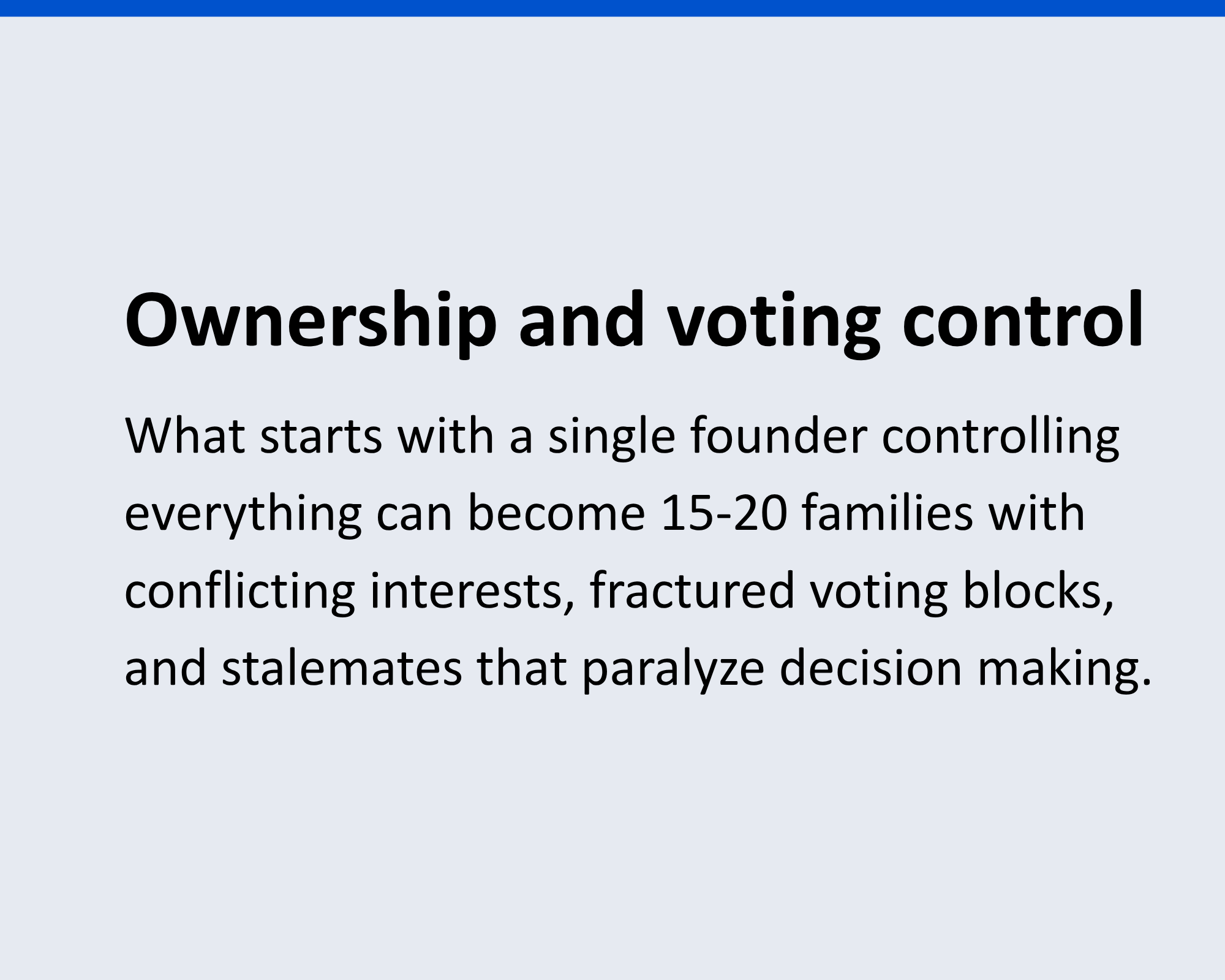
that family has grown to 15 to 20 families
that are living off that business
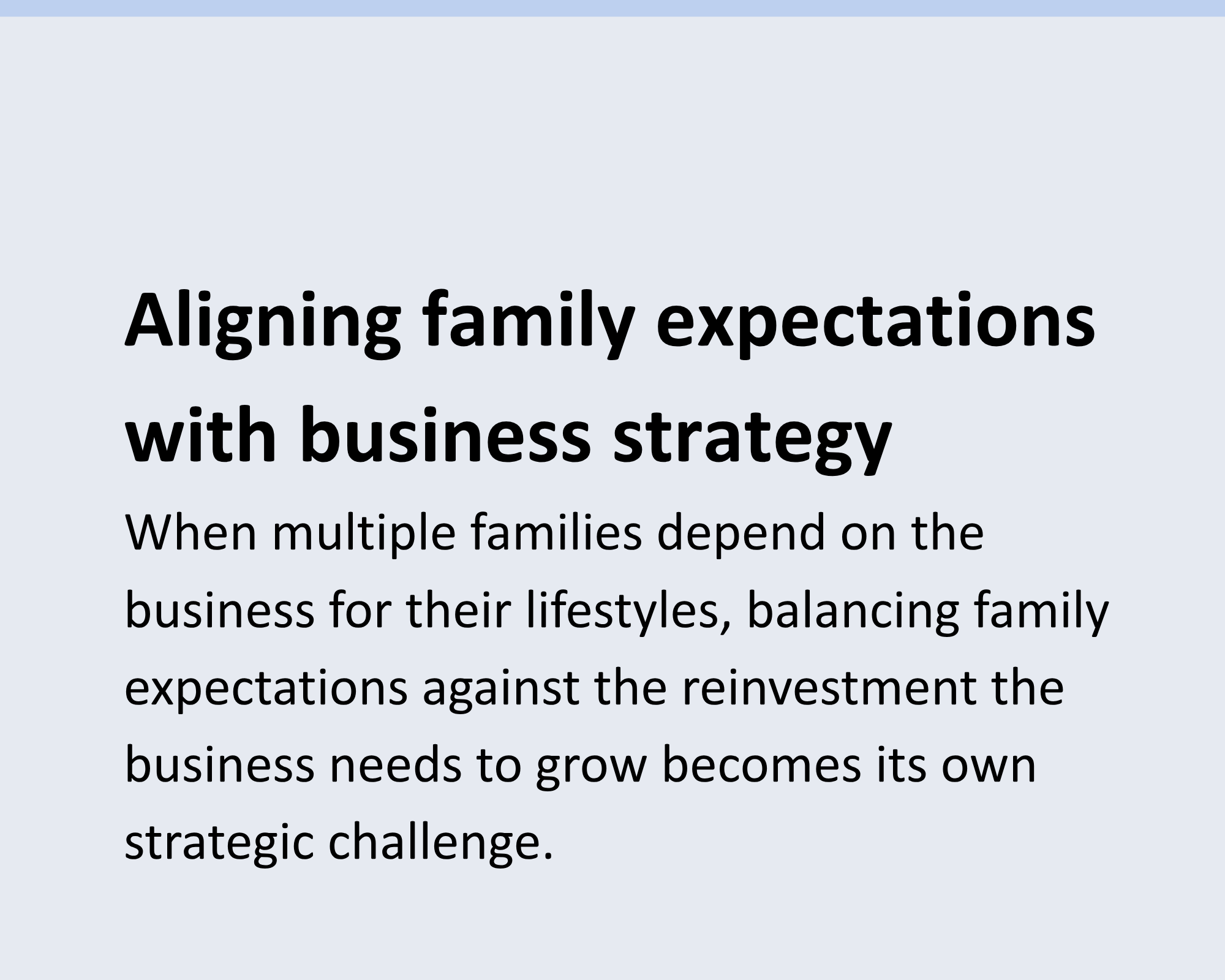
and two issues arise.Number one, is the business
producing enough profit and cash flow
to now fund the lifestyles
which sometimes can become extravagant.
Of 20 families
and who ends up in control
because founder usually controls
all voting stock.But when that founder either
retires or dies,
the founder has to decide
who to pass that voting stock onto.
That in of itself creates
huge complications.Let's say the founder has four children
and decides to give 25% of the
company to all four children.
You potentially create
a stalemate and factions
and those factions can change over time
based on people's needs and situations.So there are huge complications
in family businesses that require,
in many cases, the help of an outsider.We work with many family businesses.
We help the family resolve
not only their business issues,
but also their interpersonal conflicts,
and help them try to prioritize
what's best for the business
and the family.
Running a family business comes with unique challenges that go beyond standard corporate strategy. In this video, Larry Goddard explores the complexities of managing a family-owned company, from operational execution to dealing with internal family dynamics. While family businesses must tackle the same strategic and performance issues as any other organization, they also face additional hurdles such as succession planning, generational leadership transitions, and voting control.
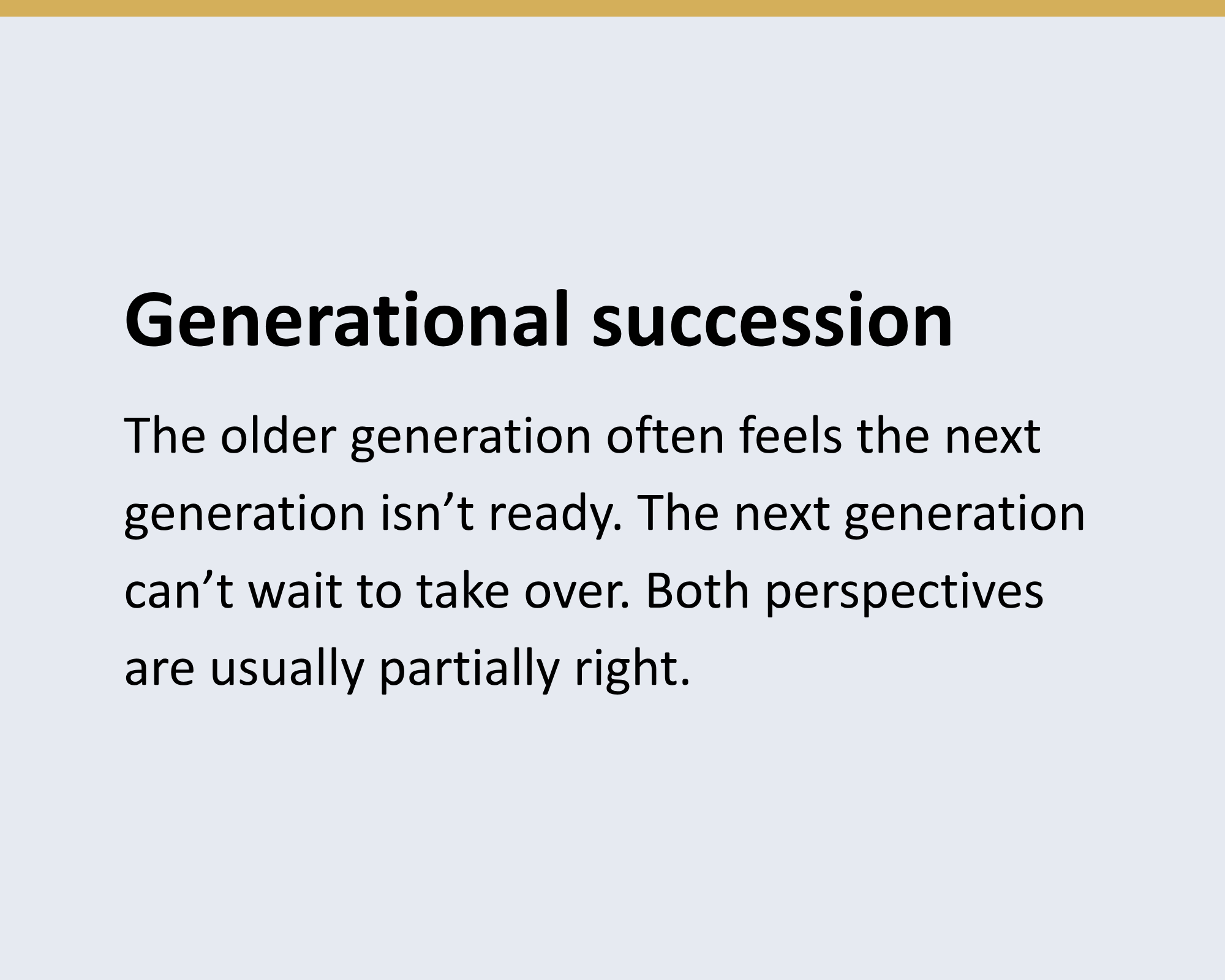
These factors can either create a legacy of success or lead to significant internal conflicts that threaten the future of the business. One of the biggest struggles in family businesses is knowing when and how to transition leadership. Older generations often feel the younger generation isn’t ready, while the younger generation is eager to take the reins. Additionally, ownership and decision-making power can become fractured among multiple family members, leading to disputes that impact business performance.
Larry shares insights on how family businesses can create structured succession plans, resolve internal conflicts, and ensure long-term stability. If your business is family-run, understanding these dynamics is crucial to sustaining growth across generations. Learn how to navigate these challenges effectively and build a legacy that lasts!
TWO THINGS MUST BE TRUE
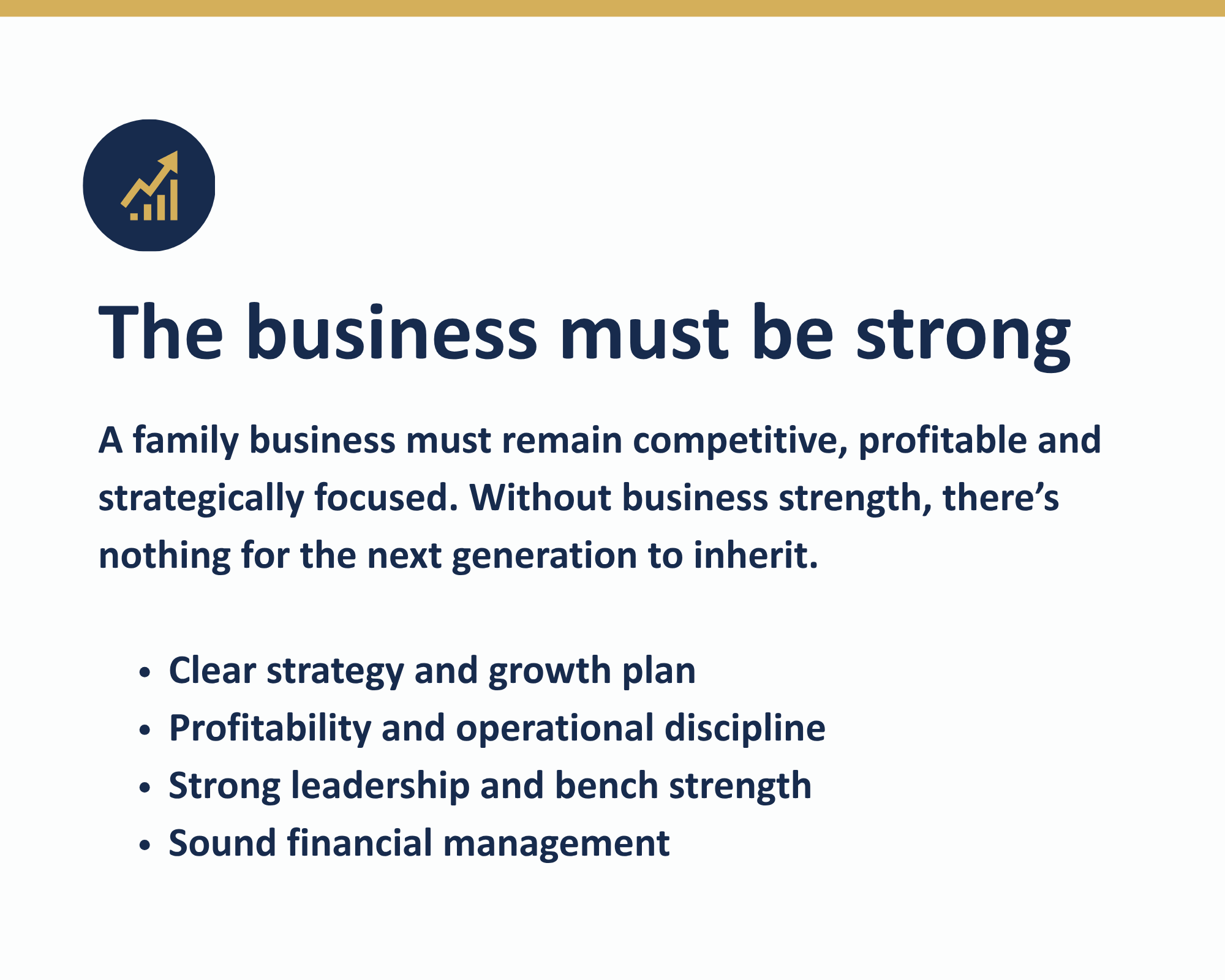
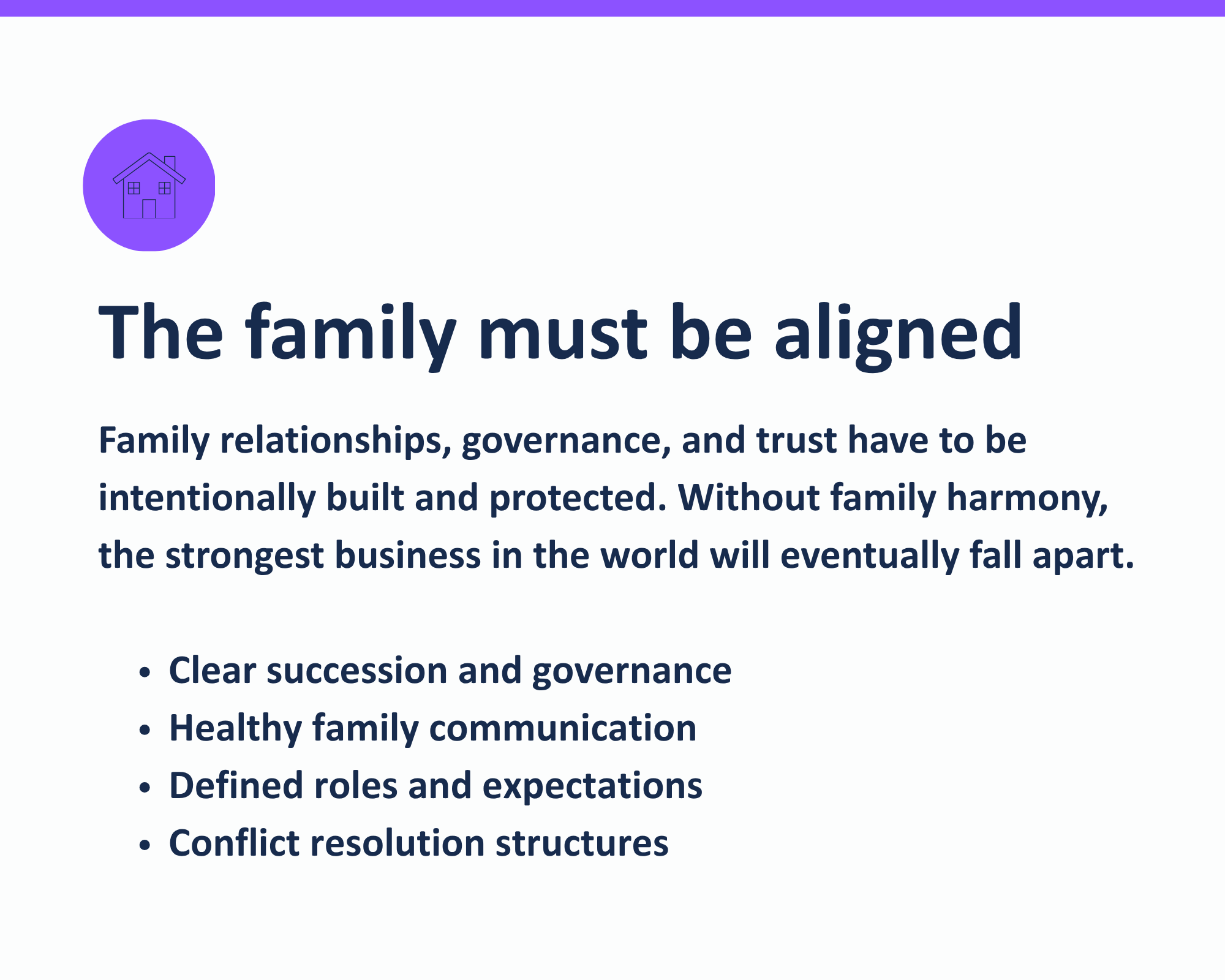
Family harmony alone doesn’t guarantee success. Neither does business discipline.
A thriving family business requires both. Most consulting firms can help with one. Parkland helps with both, because we know they can’t actually be separated.
+
HOW WE HELP
A complete approach to family business challenges.
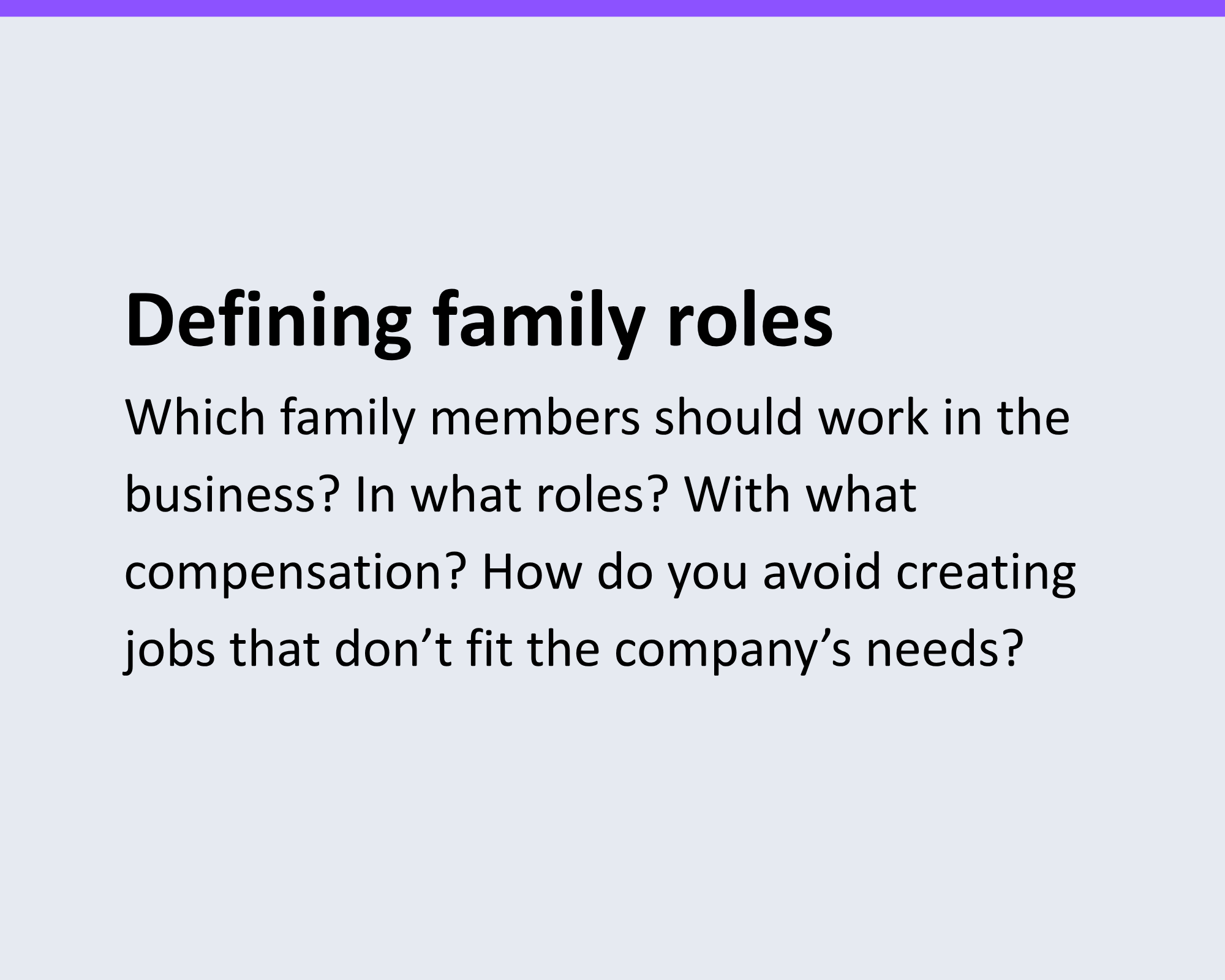
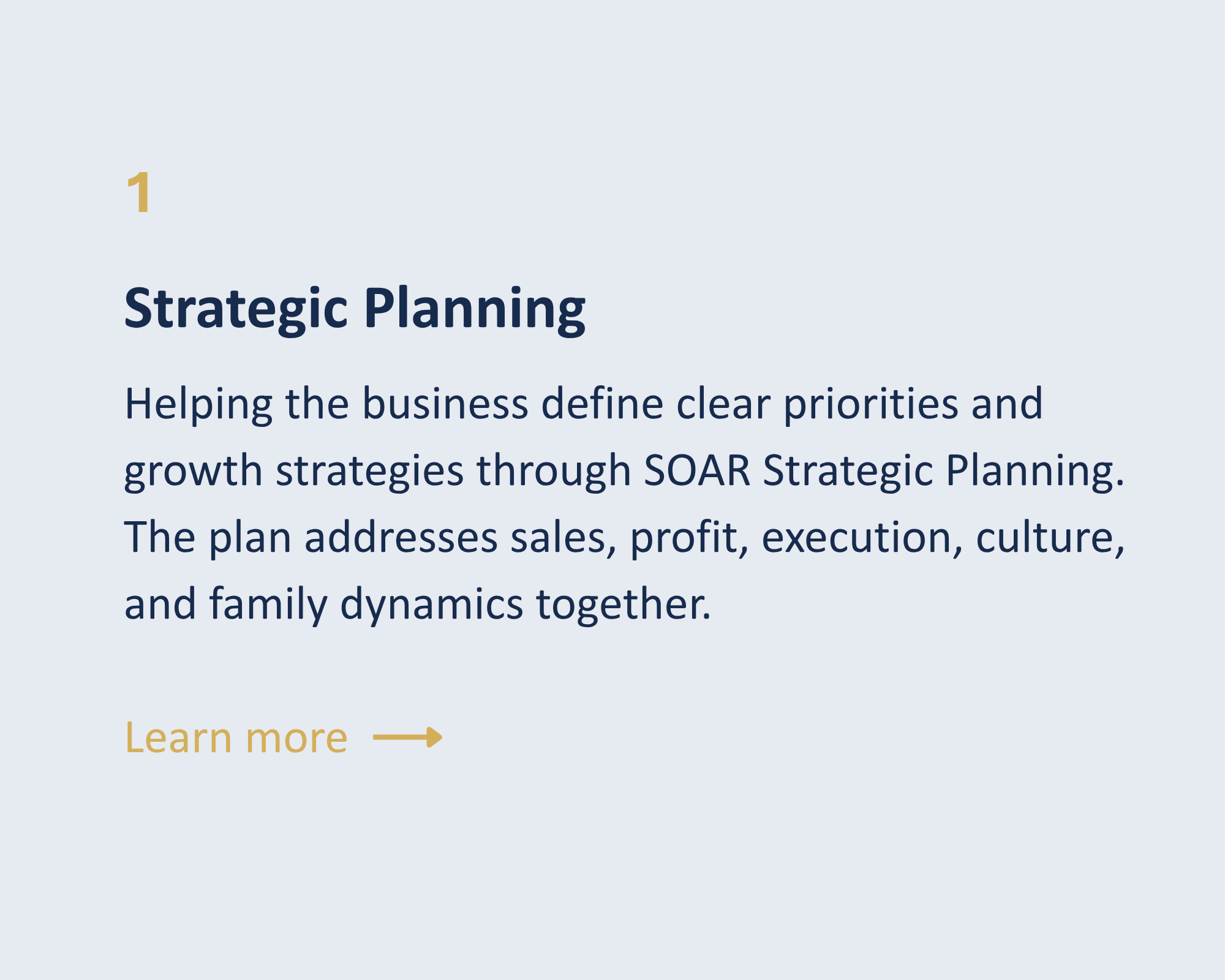
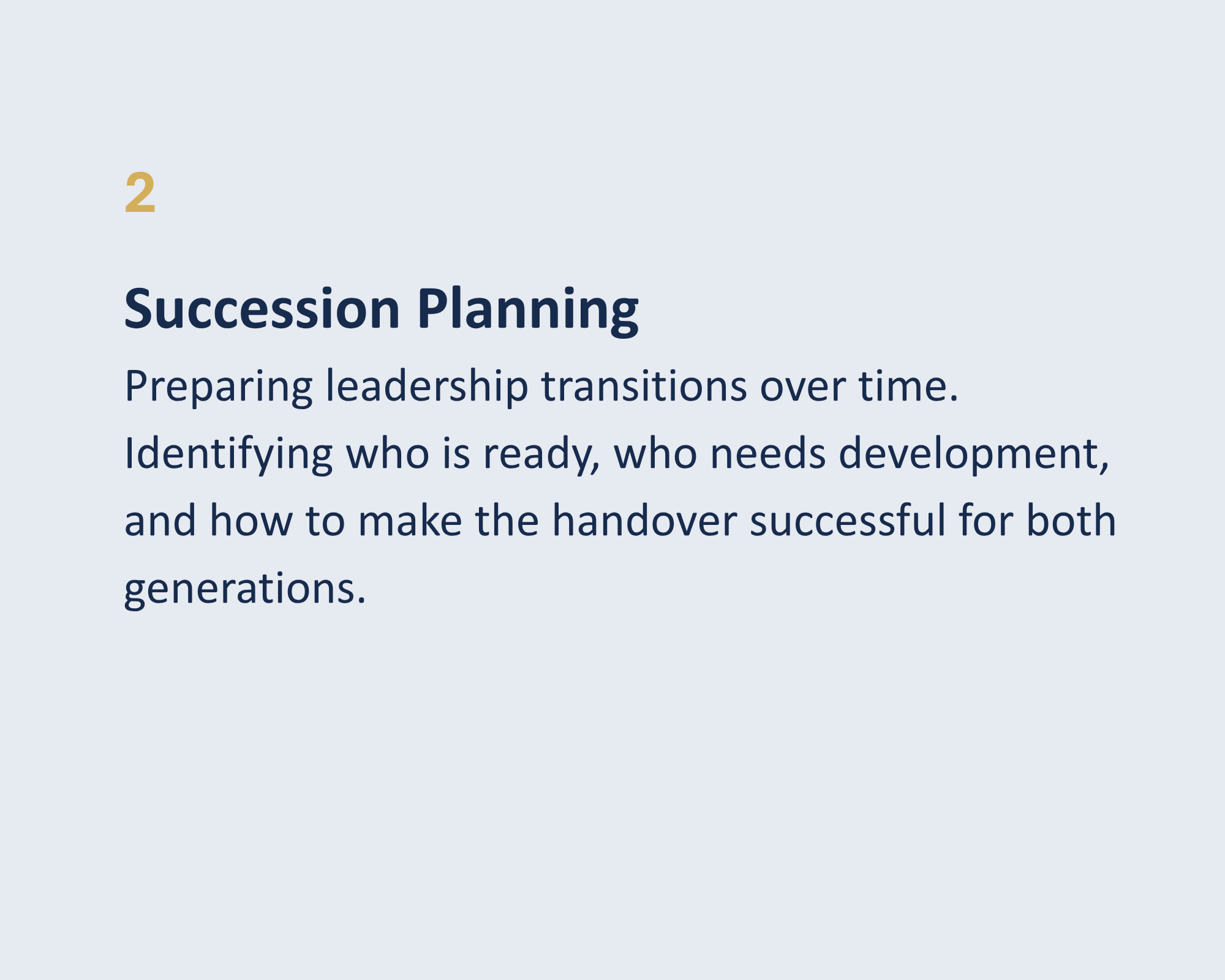
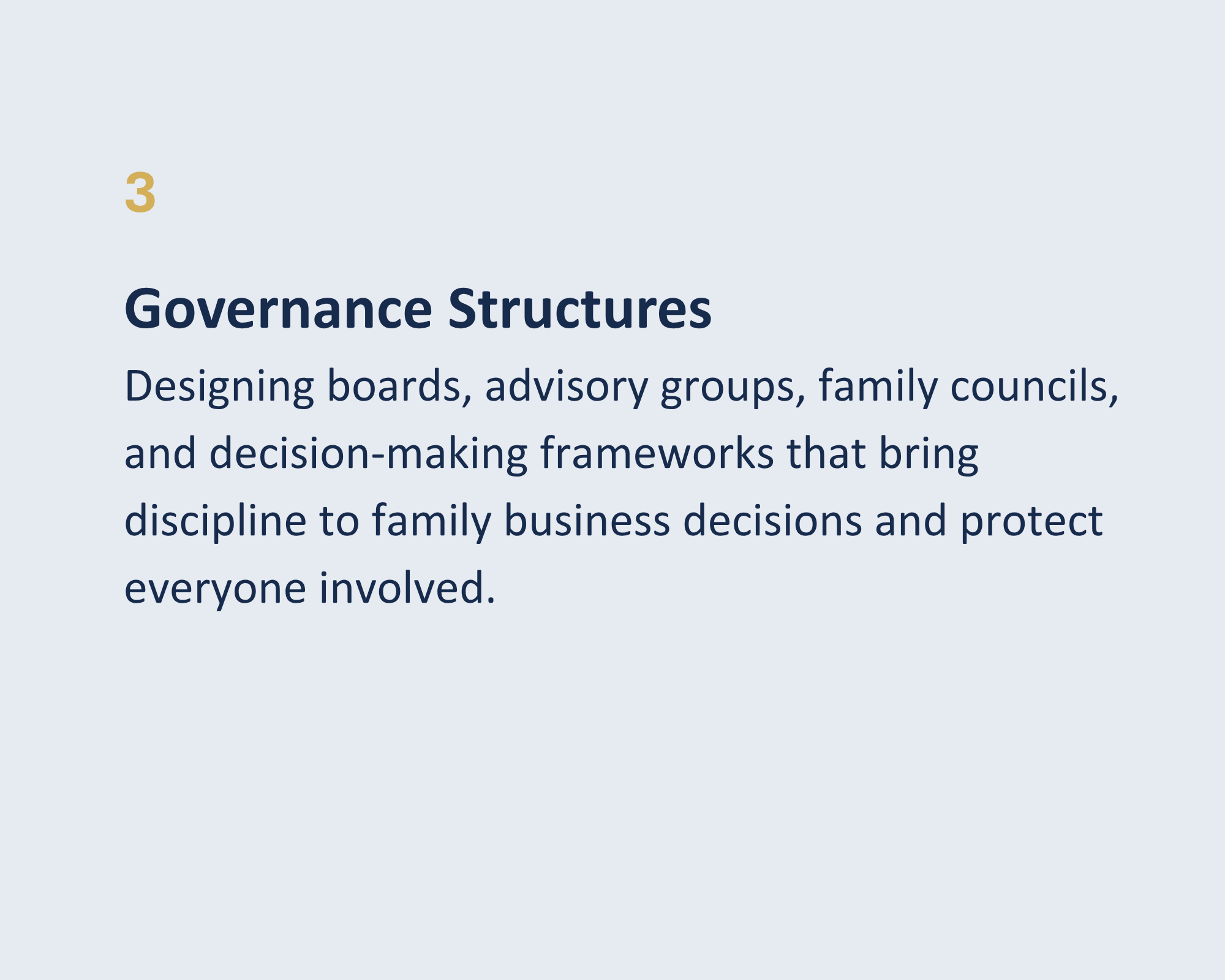
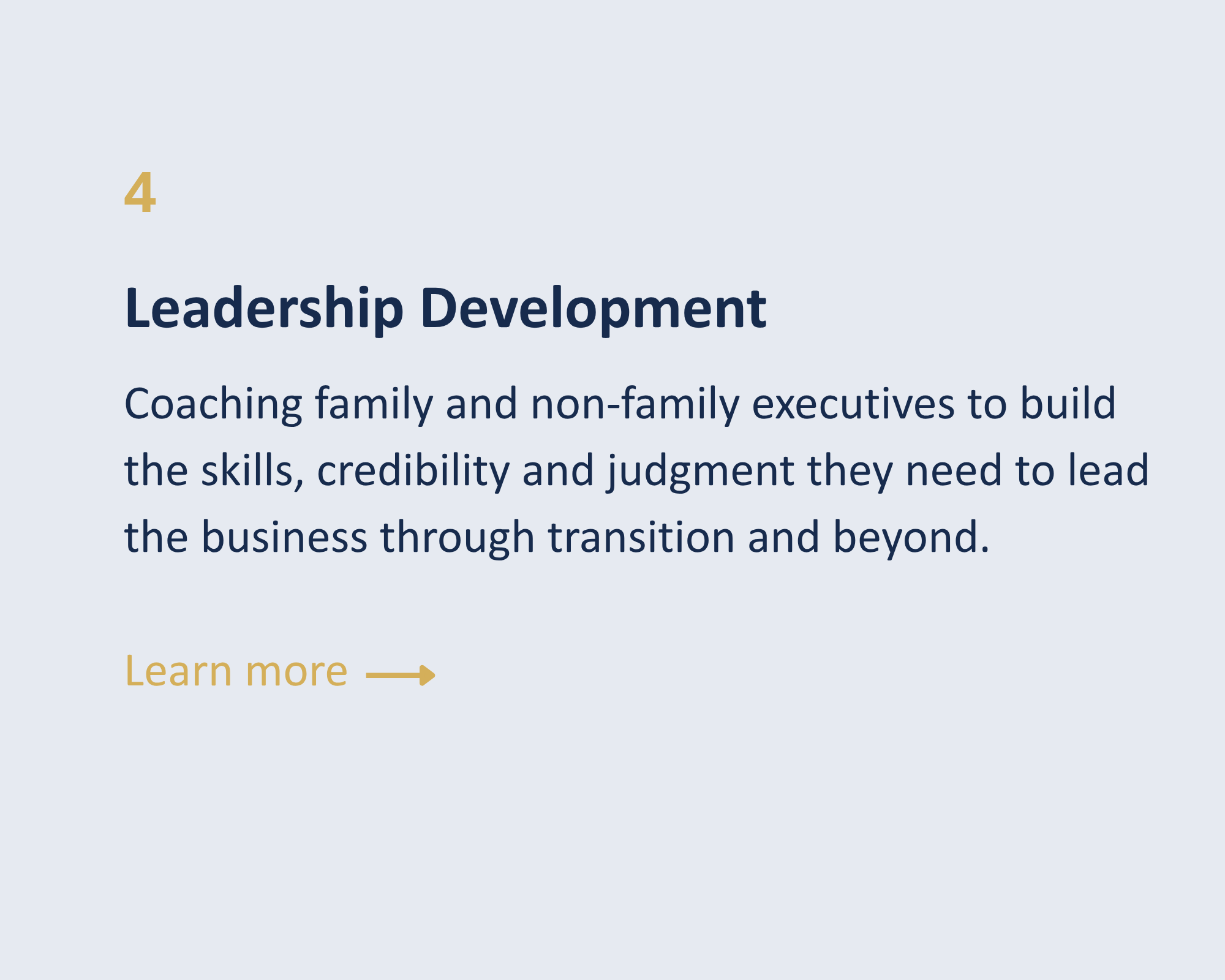
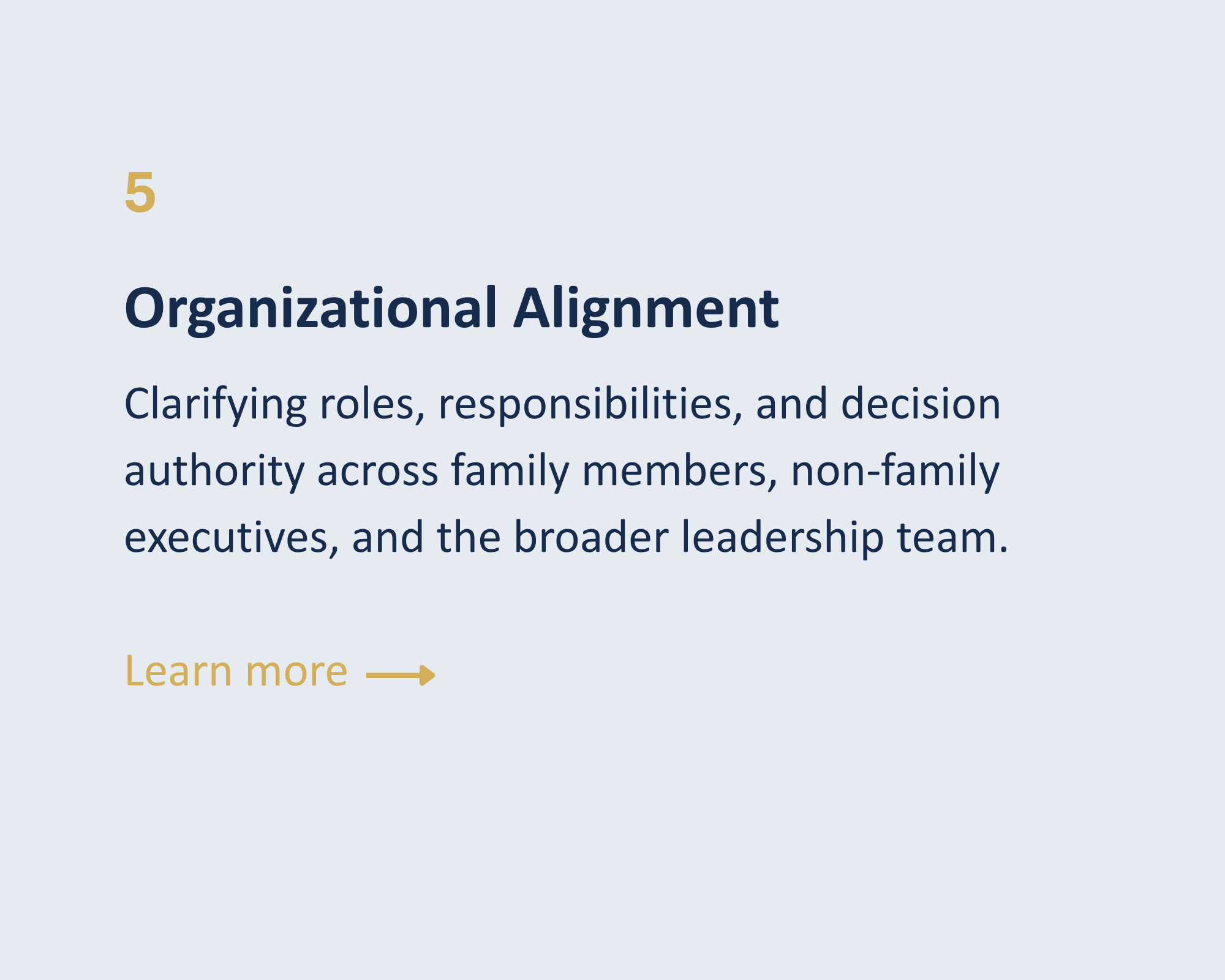
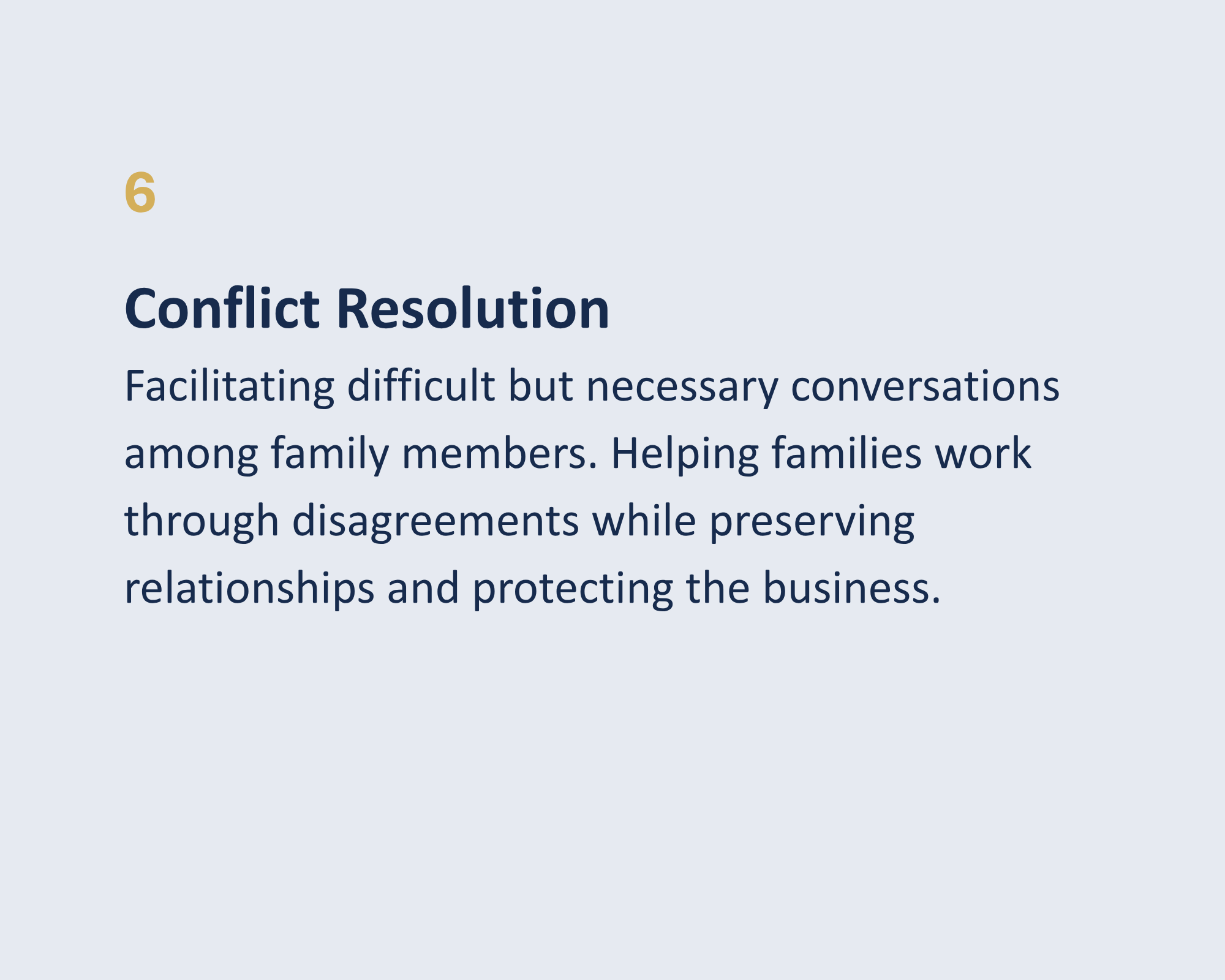
Our work with family businesses addresses both the business strategy and the family dynamics. We help you build the structures, plans, and conversations that make multi-generational success possible.
Planning for the future of a family business is one of the most important conversations a family can have.
Every family business eventually faces questions about leadership, governance, and long-term direction.
Addressing these issues proactively can help preserve both family relationships and business success.
If you would like to explore how Parkland can help your family business navigate these challenges, we would welcome the opportunity to speak with you.
